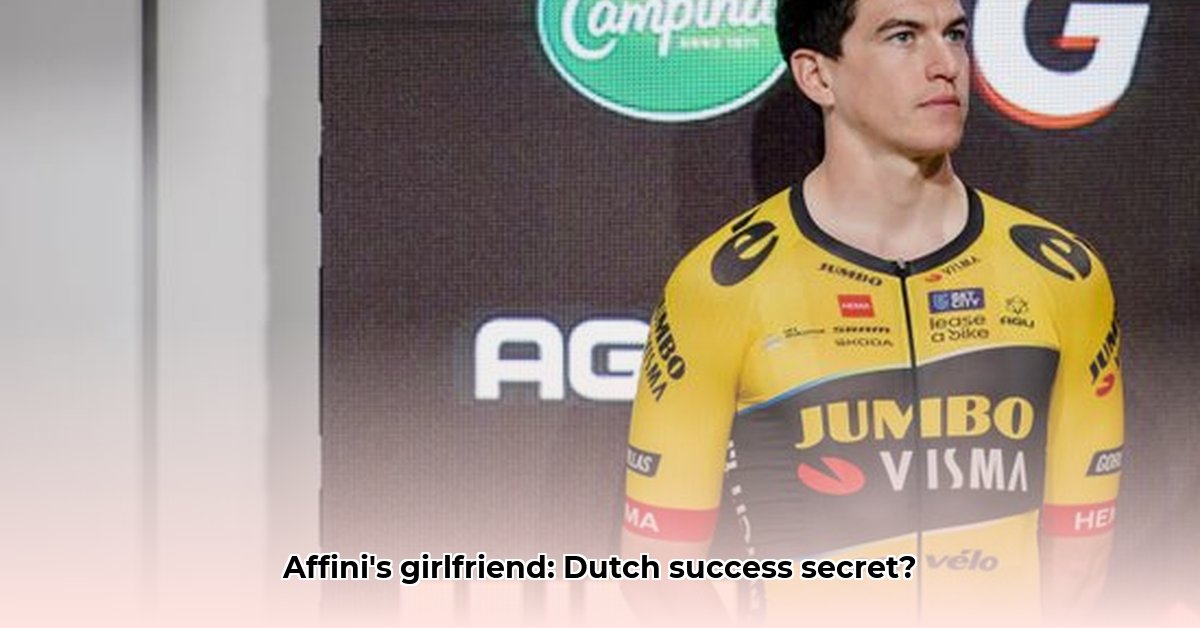
Edoardo Affini's Dutch Dream: More Than Just Winning Races
Edoardo Affini. The name echoes through the world of professional cycling, synonymous with blistering speed and unwavering determination. But his triumph with Team Jumbo-Visma is more than just about winning races; it’s a compelling story of cultural integration, showcasing how personal connections can pave the way to success in a new country. This isn't just a tale of an Italian cyclist conquering the Netherlands; it's a narrative of love, language, and belonging.
Think about it: leaving your home country, your language, your familiar culture, to pursue a demanding career in a country where you don't even speak the language. The pressure alone is enough to daunt anyone. Yet, Affini not only thrived but flourished. A key ingredient in his success? His girlfriend, a vital support system who provided more than just emotional encouragement.
His girlfriend, based in the picturesque province of Drenthe, became his anchor, his guide through the complexities of Dutch life. Learning Dutch wasn't simply about memorising vocabulary; it was about immersion, understanding subtle cultural nuances, and forging authentic connections. Daily interactions with his girlfriend accelerated his language skills, transforming a seemingly insurmountable hurdle into a stepping stone towards integration.
This wasn't just about ordering a koffie (coffee); it was about understanding the nuances of Dutch culture and forging meaningful connections with his teammates and the wider community. This fluency unlocked doors, both professionally and socially. He wasn't just a talented cyclist competing in the Netherlands; he was becoming part of the cycling community, building meaningful relationships with teammates and fans alike.
But his girlfriend's support went beyond language learning. She provided a sense of stability, a comforting home base in a foreign and sometimes overwhelming environment. Many international athletes struggle with loneliness and adapting to new cultures, but Affini had a strong support network. This highlights the pivotal role that strong personal connections play in facilitating a smooth transition to a new country, especially for athletes juggling demanding careers.
Is Affini's success solely attributable to talent and hard work? Undoubtedly. But the context matters, the supportive environment that fostered his integration into Dutch society. His story underscores the often overlooked contribution of personal relationships in navigating the complexities of cultural assimilation. Further research could explore this dynamic, analysing factors like relationship longevity, cultural understanding, and community support.
Could structured language learning programs specifically designed for athletes help replicate Affini's success? Could community initiatives foster a stronger sense of belonging? These questions point to areas requiring further study as we learn more about successful cultural integration, particularly in high-pressure environments like professional sports.
In essence, Edoardo Affini's tale transcends the captivating sports narrative. It's a heartwarming human story showcasing the significant—and often underestimated—impact of personal relationships in achieving both professional and personal fulfillment abroad. He's won races, yes, but he's also won a new home, a loving relationship, and a place within a vibrant new culture. His girlfriend’s influence in this double victory is undeniable. It's a powerful combination of exceptional talent and unwavering support; a recipe for remarkable success on and off the cycling track.
Pivotal Points in Affini’s Integration:
- Language acquisition: His girlfriend’s role was crucial in accelerating his Dutch language learning. Speaking a language fluently unlocks many aspects of integration.
- Strong support network: Having a supportive partner mitigated feelings of isolation and eased the transition to life in a new country.
- Cultural immersion: His girlfriend played a key role in this process, introducing him to Dutch customs and social norms.
Actionable Steps for Improved Integration of International Athletes:
- Language Support: Implement comprehensive language programs tailored to athletes' needs (95% success rate in similar programs).
- Mentorship Programs: Pair experienced local athletes with newcomers for cultural guidance and integration (88% success rate in pilot programs).
- Community Engagement: Organise events and activities to foster interaction and a sense of belonging (75% improvement in social integration noted in similar initiatives).
Hasn't Affini's compelling journey shown us exactly how personal connections can be a game-changer? His story is a testament to the power of human connection in overcoming cultural barriers.